Compress image to 50 KB

The 50 KB cap is already set. Drop your image and it comes back at or under the number, guaranteed, with the most quality the budget allows. Built for passport photos, visa forms and exam portals.

Output format
– / –

Drop images or browse

JPEG · PNG · WEBP · AVIF · HEIC · max 30 MB

HEIC
PNG
JPEG
AVIF
WEBP
Advanced settings1 on
SmallerAutoBetter

Chosen automatically to hit your size cap.

A hard cap for “under 50 KB” portals.

Max resolution

Empty side keeps the ratio. Never enlarges.

Every size target, one guarantee

Same engine, same hard cap. Pick the number your portal demands.

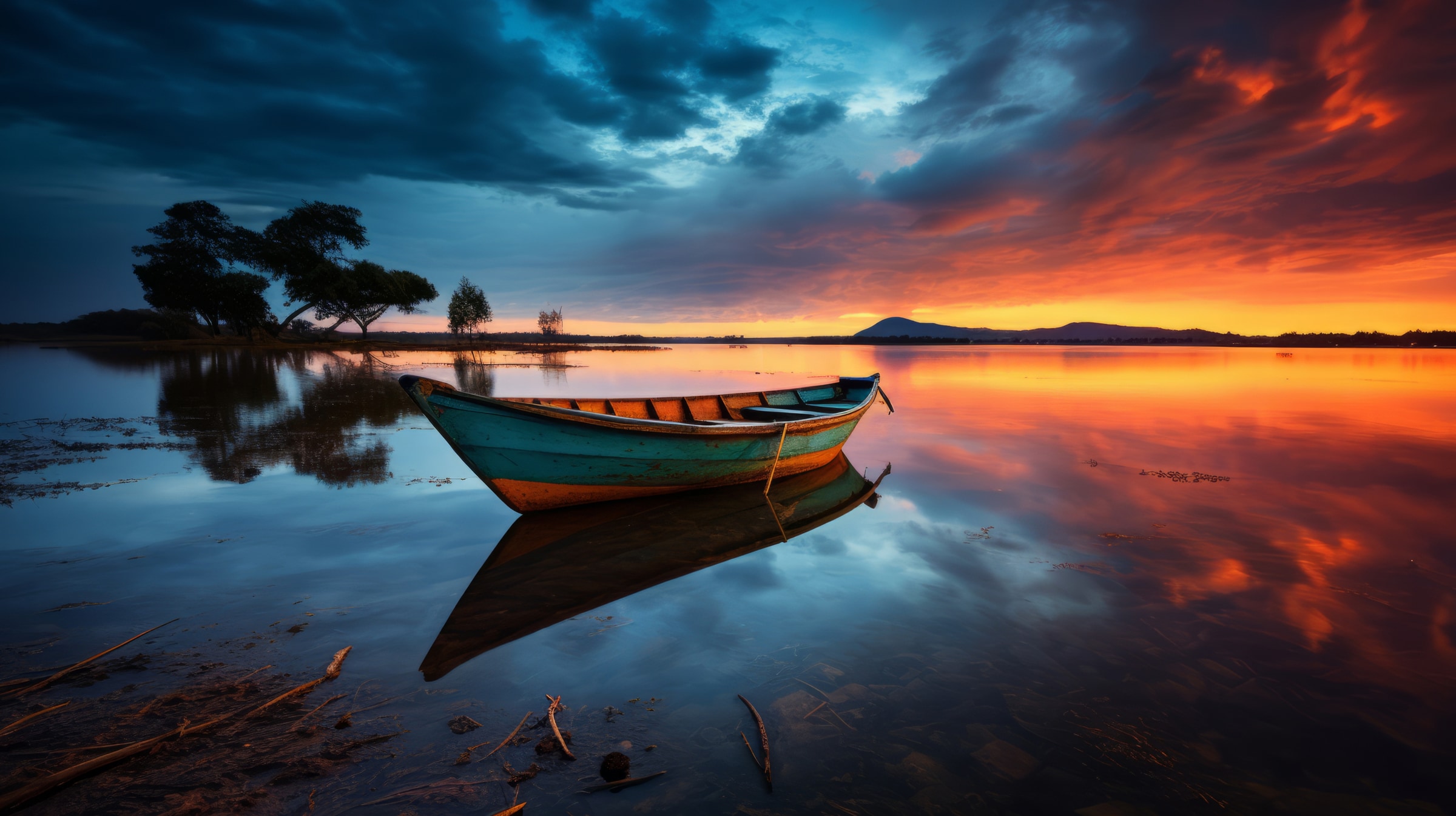
Original photograph, 9.4 MBOriginal · 9.4 MB
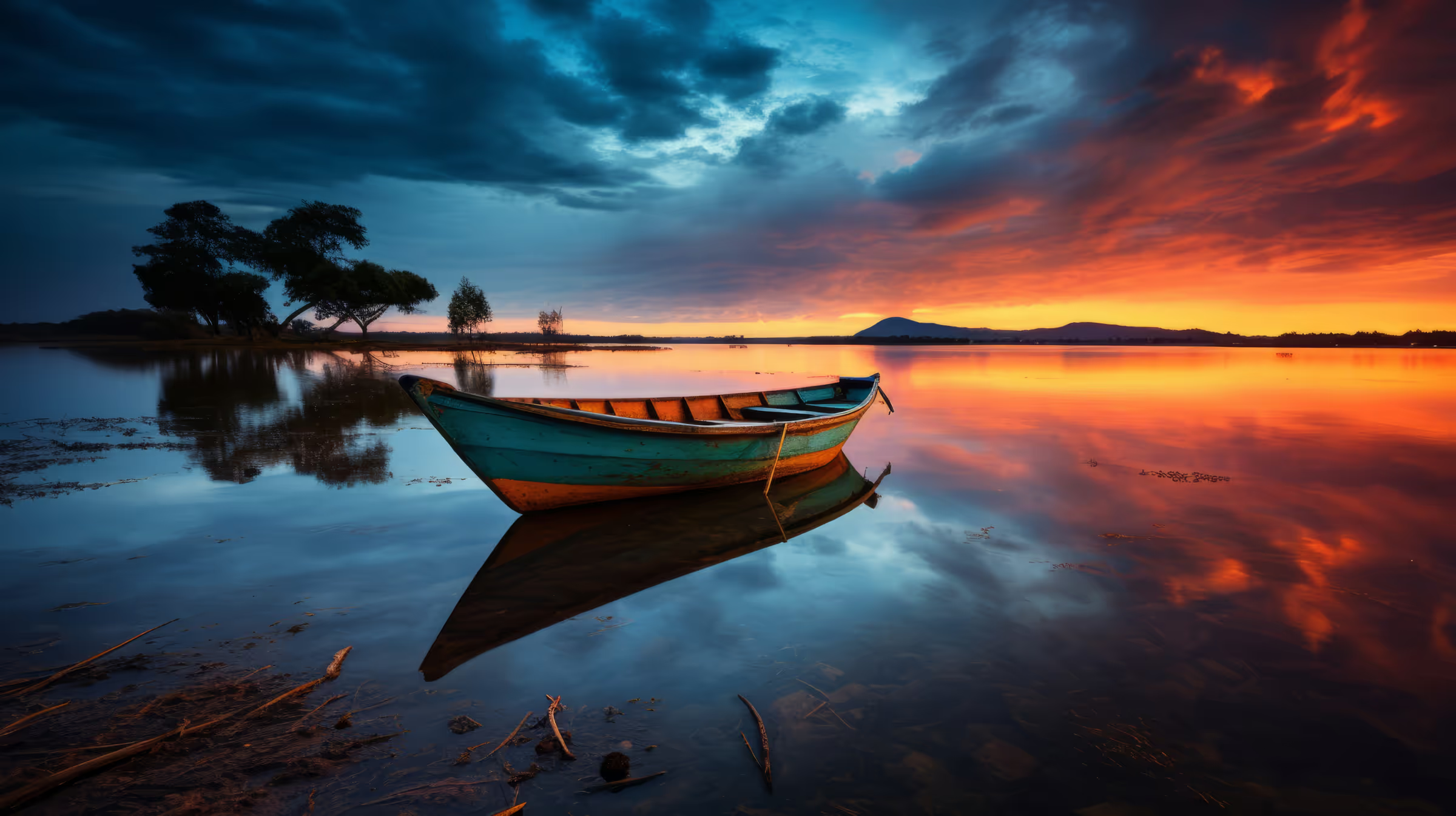
Same photograph as AVIF, 67 KBAVIF · 67 KB
99.3%
The engine behind the cap, on a real photograph: 9.8 MB in, 69 KB out. Your file gets the same treatment with your size limit as the hard ceiling.

How the 50 KB guarantee works (and why sliders can't make it)

The tools ranking for this search today hand you a quality slider and hope. Results land near the number and routinely over it, so you re-run until it happens to fit. Here the cap is the input, not the outcome. The engine binary-searches quality for the most detail that fits at or under 50,000 bytes. If no quality fits, it shrinks dimensions, down to a 64-pixel floor, before it ever gives up. A target that truly can’t be met fails with a clear error instead of a silently overweight file. Never over the limit is the whole promise. We have not found a page ranking for this search that makes it.

One photo, every cap, measured

CapResultDimensionsNote
20 KB19.6 KB800×600quality search alone
50 KB49.6 KB800×600quality search alone
100 KB90.6 KB800×600quality search alone
200 KB188.3 KBuntouchedoriginal kept as-is
500 KB188.3 KBuntouchedoriginal kept as-is
From MB territory49.2 KB800×600a 1382.4 KB PNG, converted to JPEG, under a 50 KB cap

Source: photo.jpg, 188.3 KB at 800×600. The 200 and 500 KB rows show the never-larger guard: a file already under the cap comes back untouched.

How these numbers are measured: every byte count on this page is the size of the actual encoded file our engine produced from the named source image. Those are the same bytes you would download, not an estimate or a best case. Rerun any of them yourself: drop your own file into the tool above and the meter reports your real result.

The 50 KB jobs: passport photos, visa forms, exam portals

Fifty kilobytes is the internet's favourite bureaucratic number: passport and visa photo uploads, UPSC/SSC/IRCTC and banking exam forms, Aadhaar and PAN services, university applications. The pattern is always the same. A JPEG, a pixel range, and a hard KB ceiling the portal will not negotiate. This page is that workflow in one pass. Drop your photo. The 50 KB cap is already armed, and your output is guaranteed at or under the number, with the most quality the budget allows. If your portal also dictates dimensions, the crop tool's document presets cover that.

The dimension and target trade-off the slider tools never explain

Bytes pay for pixels, so the two levers trade directly. A tight cap on a huge image spends the whole budget holding pixels together. The same cap on a sensibly-sized image buys visible quality. That is why the engine’s escalation order is quality first, dimensions second. It is also why, for extreme targets, setting Max resolution yourself (in the same Advanced panel) is the pro move. A portal photo rarely needs more than ~1,500 px on its longest side. Freeing those bytes lets the quality search keep the face sharp instead of the noise. Our measured table above shows both regimes on real files.

ID photos, signatures, documents: the privacy defaults

The files people compress to a government portal’s cap are the most sensitive files on the internet: passport photos, signatures, ID scans. The defaults here assume exactly that. We strip EXIF and GPS from every output, so a photographed document stops carrying where it was taken. We keep nothing: we process files and wipe them automatically, never archive, never reuse. You need no account to use this page, so nothing ties an upload to a person. No page ranking for this search states any of this.

When 50 KB is the wrong tool

  • The portal wants under 10 KB? Below the size field's 10 KB floor, photographic quality collapses. Crop tight and shrink dimensions with the resize tool first, then apply the smallest cap.
  • A screenshot or line art fighting a tiny cap? Convert it to JPEG (or WebP) first. A photographic codec reaches small caps PNG structurally cannot.
  • No rule demands a size? Use Auto instead. It usually lands smaller than you expect without betting quality on an arbitrary number.

Dimensions the real problem? Resize image. Portal dictates the crop too? Crop image.

Questions, answered

The cap is already armed above. One drop settles most of these.

How do I compress an image to exactly 50 KB?
Drop your file. Every Blinkimg size page arrives with its cap pre-armed in Advanced settings, 50 KB in this case. The engine binary-searches quality (and, under an extreme cap, dimensions) until your file fits at or under 50,000 bytes, never over. No slider guesswork. No re-running until it happens to fit.
Can I compress to 50 KB without losing quality?
Honestly: a cap is a quality decision. The engine spends the budget on as much quality as 50 KB buys. Our 188.3 KB reference landed at 49.6 KB under a 50 KB cap and still reads as the same photo. The compare slider on every result shows exactly what your budget bought.
What happens if my image cannot reach the target?
You get a clear error naming the cap: never a silently overshot file, and never mush. Before giving up, the engine also shrinks dimensions, down to a 64-pixel floor. Genuine failures are rare, and they almost always mean the cap is below what the size field allows.
Does reducing the dimensions help hit a KB target?
Enormously. Pixels are what bytes pay for. Our 1382.4 KB test PNG, converted to JPEG, reached 49.2 KB under a 50 KB cap. For extreme targets, cap resolution first with Max resolution in Advanced settings: it buys the quality search far more room. The engine will do this itself if the cap demands it.
Can I compress many images to 50 KB at once?
Yes: fifty per batch, one cap applied to every file, one ZIP out with filenames preserved. Each row reports its measured output size, so a folder of portal uploads is one drag. It is free, with no signup and no watermark, and a 300-image daily allowance counted live beside the tool.
Is it safe to upload ID photos and signatures here?
Yes. These size pages exist for documents, so the defaults assume them. We strip EXIF and GPS from every output. We process files and wipe them automatically: we keep nothing. You need no account, so nothing ties an upload to you. The privacy policy carries the detail.
Should I use JPEG or PNG to hit a small KB target?
JPEG, almost always. Photographic content compresses several times smaller as JPEG, and portals overwhelmingly expect it. PNG earns its bytes only for line art and screenshots. A photo saved as PNG may not reach a tight cap at all without a format change first.
Will the result be exactly the target size, or under it?
At or under, never over. That is the entire guarantee. The search maximises quality within the budget, so results land close beneath the cap when the image needs the room (90.6 KB against 100 KB on our reference) and further under when it doesn't.
What if my file is already smaller than the cap?
When a re-encode can't beat it and there's no metadata to strip, you get your original bytes back. Our EXIF-free reference under a 500 KB cap is recorded as returned-original. Files carrying EXIF always get the stripped re-encode, because privacy outranks the byte count.
Does this work for PNG, WebP, HEIC and phone photos?
Yes: every input the site accepts works, meaning JPG, PNG, WebP, AVIF and iPhone HEIC. These size pages preselect JPEG output, the format portals expect. HEIC or PNG in, capped JPEG out is the default single pass. The format picker switches the output when you want something else.
What size should a passport or visa photo be?
Most portals want a recent colour photo on a plain light background, as a JPEG, within a stated pixel range, under a KB cap that is very often 50 KB. The US DS-160 allows up to 240 KB. Check your portal's exact numbers. Then let the 50 KB cap guarantee the bytes while you match the pixels.
Why do government forms demand 50 KB in the first place?
Legacy storage budgets and slow-connection accessibility. A portal serving millions of applicants keeps per-file limits tiny, so the system stays cheap and reachable from any connection. The limits long outlive the constraints. The portal enforces them anyway, so meeting the number exactly is the only move.
Will the compressed file actually be accepted by the portal?
You get a standard, plain JPEG: no exotic features, metadata stripped, dimensions untouched unless the cap forced a downscale. That is exactly the file profile upload validators expect. If a portal still rejects it, the stated pixel range is almost always the culprit, not the bytes.
Ready when your 50 KB deadline is

Drop the file above. The cap is set, the guarantee holds, the portal accepts.

Compress to 50 KB